Nothing derails a project like a costly site surprise after the budget is set. On brownfields and tight urban parcels, early civil and structural engineering input keeps affordable housing projects feasible.
INSIGHT | 10.13.2026 | Discovery, Thinking
Rethinking What’s Possible for Affordable Housing
Planning for Brownfield Redevelopment
In Washington State, the Department of Ecology’s Affordable Housing Cleanup Grant Program funds the planning and cleanup of contaminated sites that are intended for affordable housing. This helps reduce gentrification and displacement of low-income communities, while providing much-needed housing stock. Before the grant program, site cleanups could take 20-30 years, whereas now they can take three (3) to four (4) years with funding and regulatory assistance. Utilizing the grant facilitates early site assessments to identify constraints and develop practical solutions on brownfields. Since the pilot program launched in 2019, seven (7) of Coughlin Porter Lundeen’s projects have been funded through this program.
“So much of an affordable housing project’s success has to do with timing. Permits, loans, and aggressive deadlines all come with the territory,” Civil Associate Principal Aaron Fjelstad said.
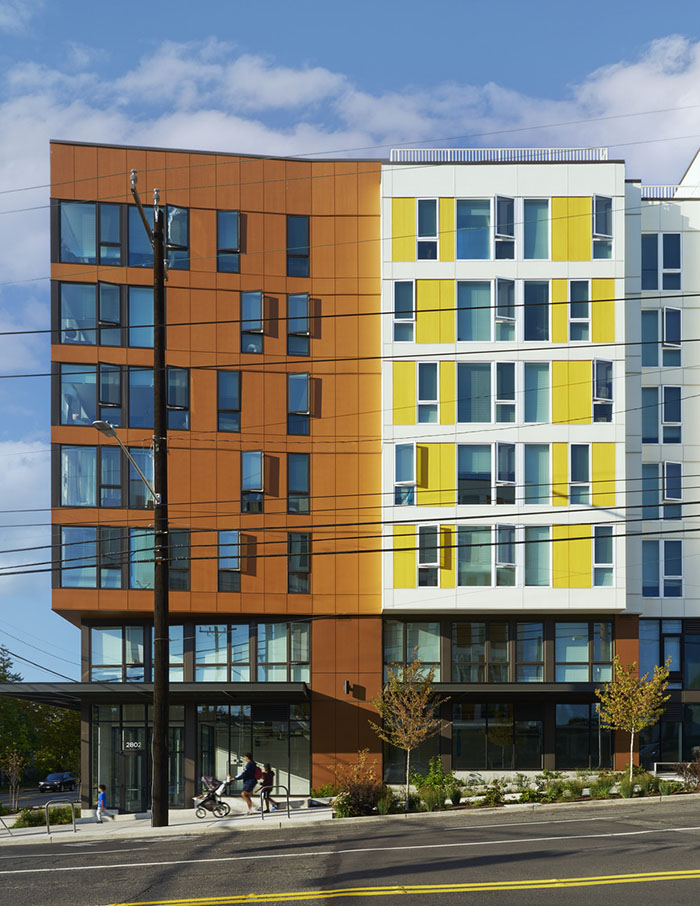
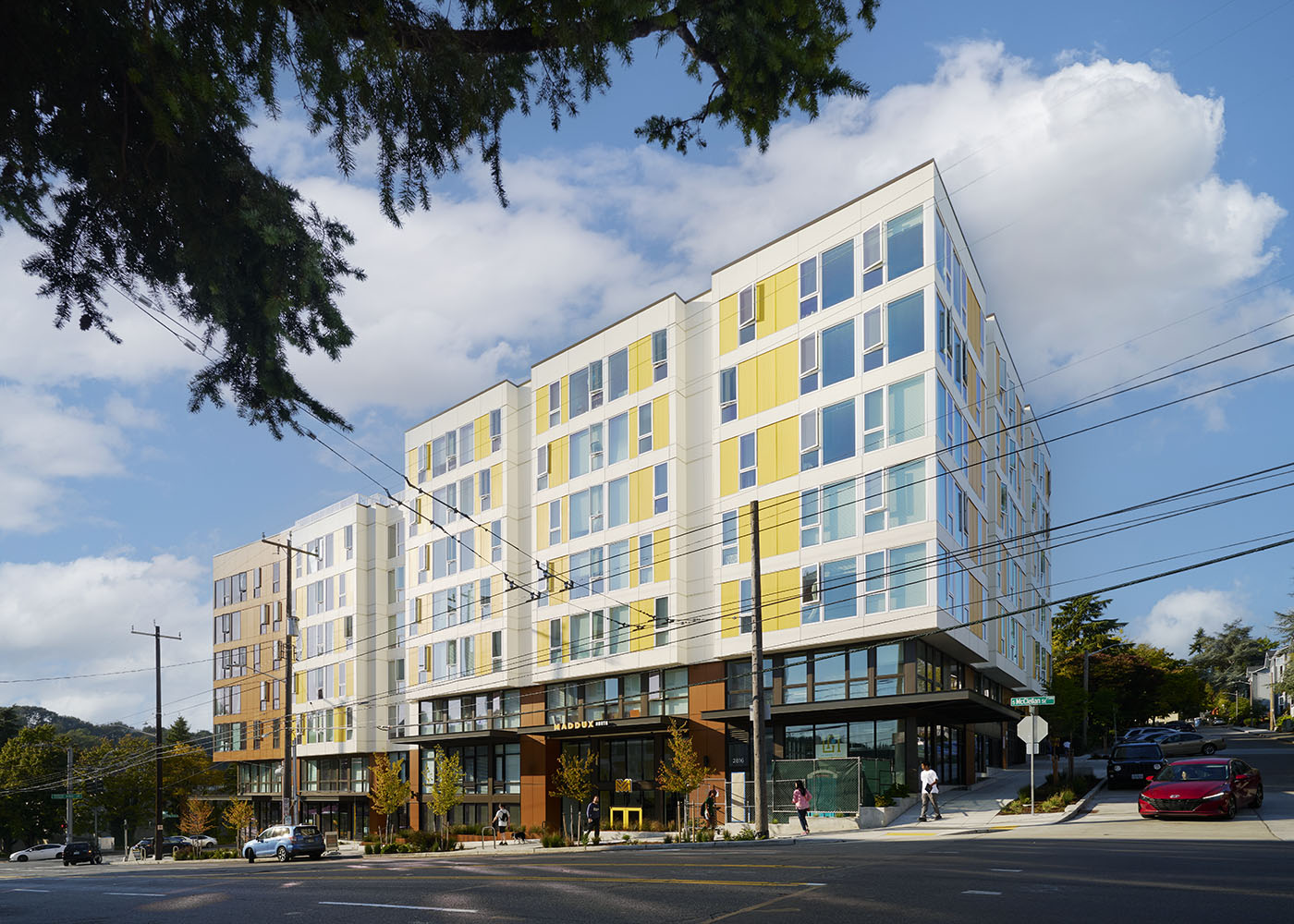
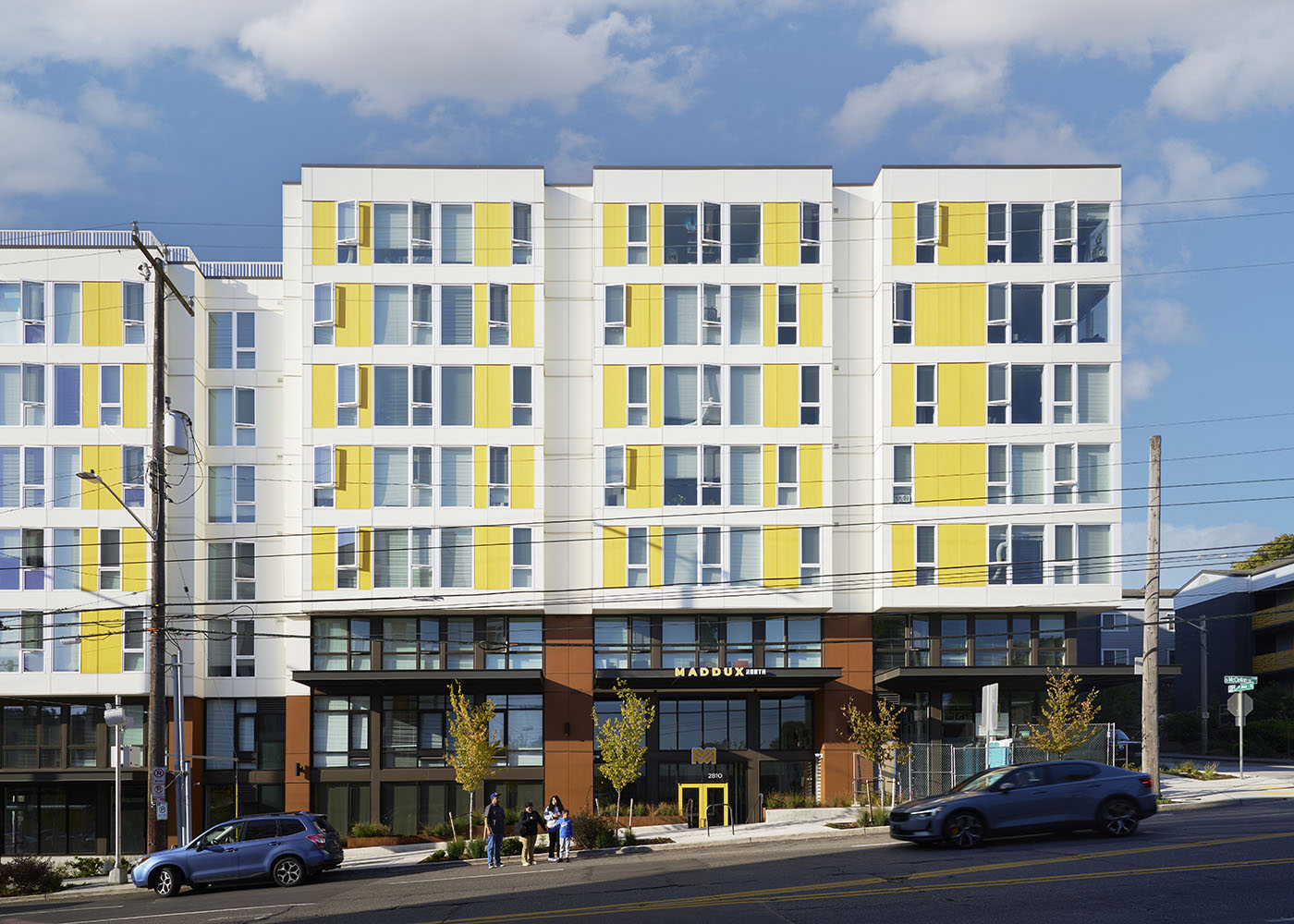
As the initial pilot project for the cleanup grant program, The Maddux cleans up a site previously containing a gas station, mechanic shop, and dry cleaner, all of which polluted the soil and groundwater. Displacement rigid inclusions are concrete columns that reduce the risk of soil liquefaction during an earthquake by pushing the ground outward around them to densify the soil and provide overall stability for the building.
The stormwater management approach also mitigates liquefaction by utilizing non-infiltrative strategies. Stormwater planters and green roofs manage runoff without disturbing underlying soil conditions.
Finding Opportunity in Tight Sites
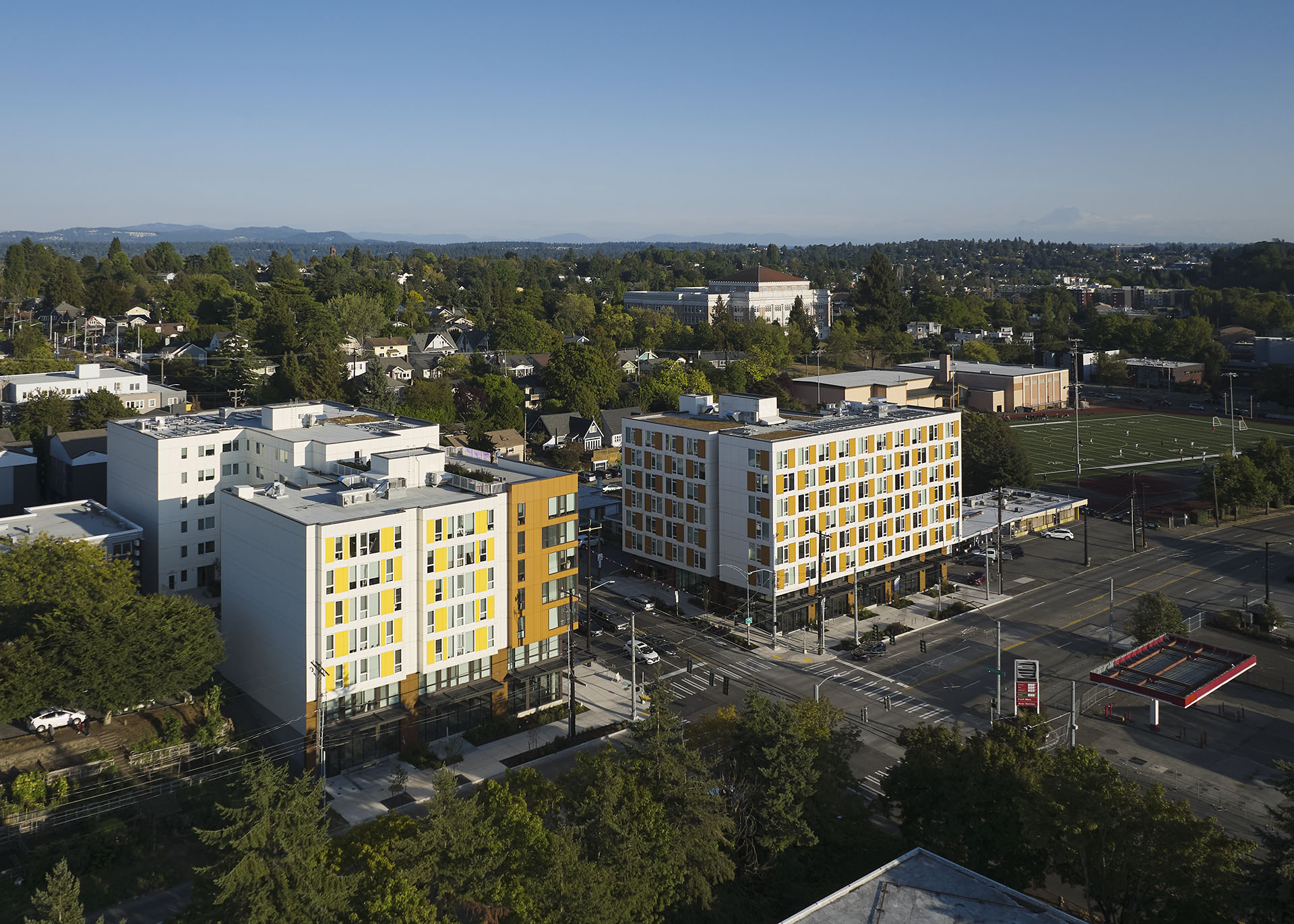
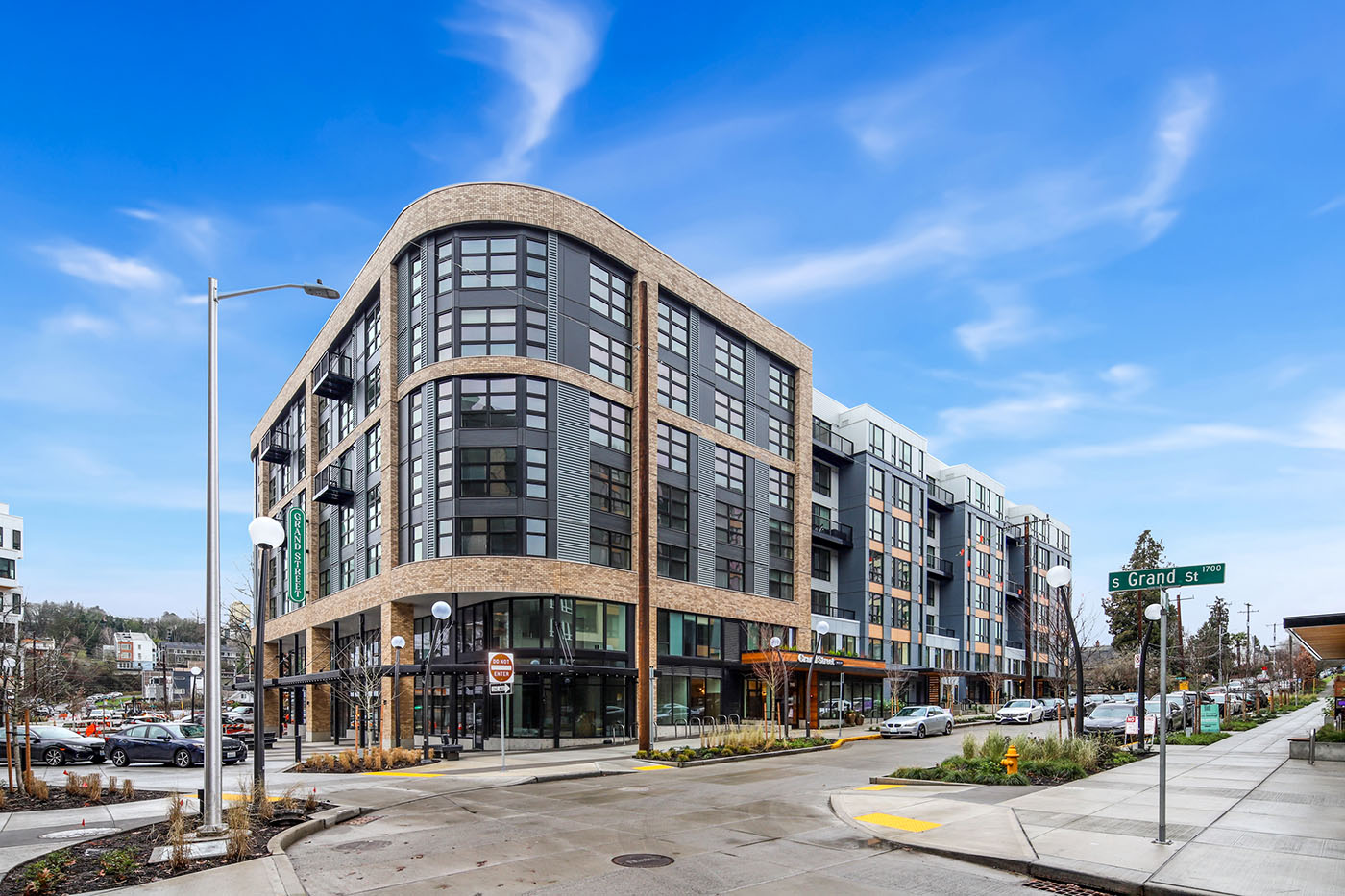
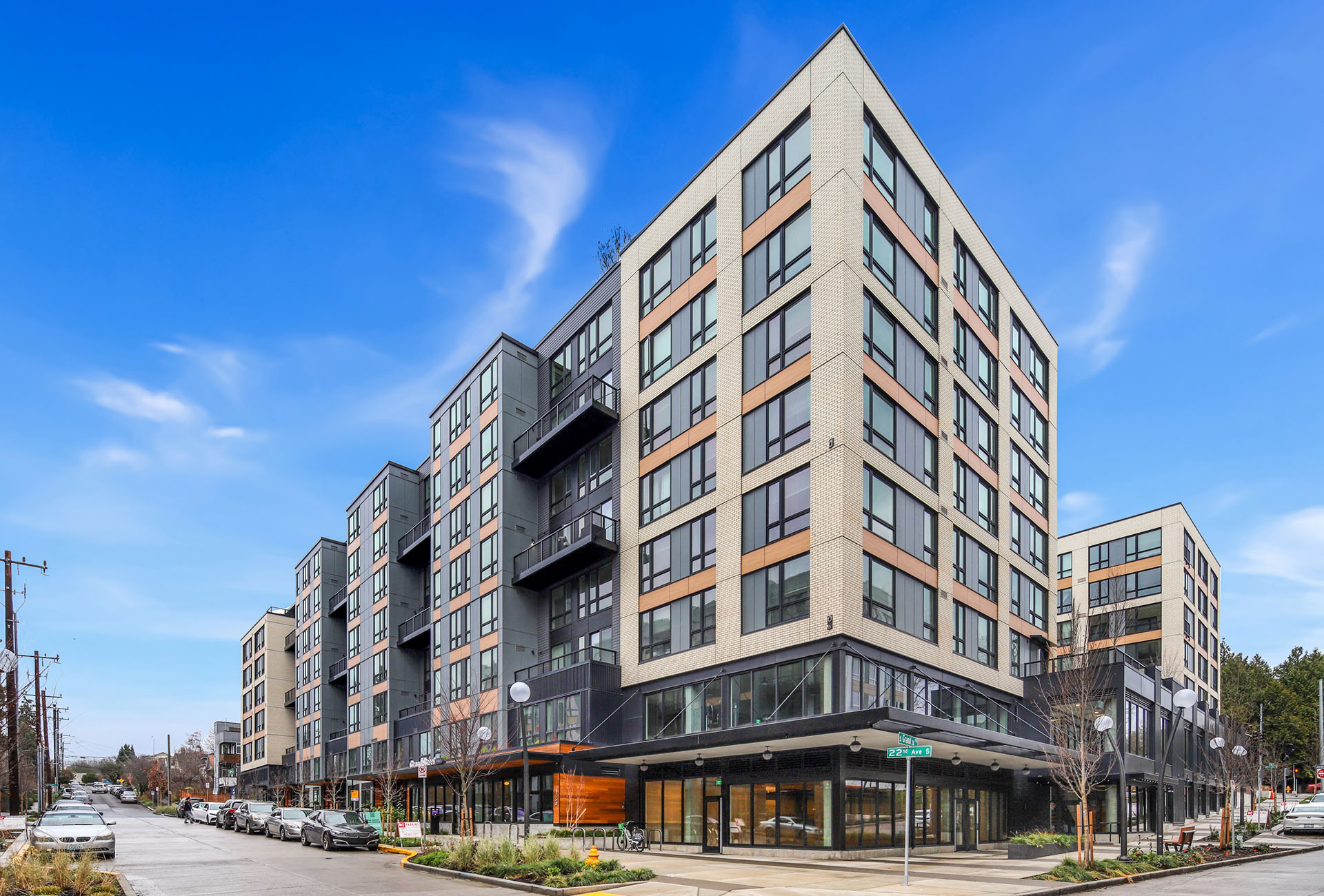
Developing affordable housing in urban areas with small or irregular parcels and nearby neighbors considers how construction affects the surrounding community. At Grand Street Commons, another development under the Department of Ecology’s Affordable Housing Cleanup Grant Program, several foundation strategies, including over-excavation, rammed aggregate piers, spread footings, and augercast piles, address the different conditions across the site.
“Augercast piles are used in areas with proximity to neighboring buildings where vibration from rammed aggregate pier installation is a concern,” Structural Senior Project Manager Eric Lentz explained.
At the south building, augercast piles provide an alternative foundation solution that addresses challenging soil conditions while minimizing construction impacts on adjacent properties. Accounting for how different parts of a site interact with neighboring buildings balances constructability and minimizes disruption to the surrounding community.
The Value of Early Engineering Input
As affordable housing continues to expand into urban infill and underutilized brownfield sites, creative engineering plays an increasingly important role in transforming these parcels into homes.
Coughlin Porter Lundeen’s current projects, such as The Landmark and Phase 2 of The Millworks, demonstrate the continued momentum behind these developments. Located on a constrained site, The Landmark in Seattle’s Chinatown-International District brings 70 family-oriented affordable apartments above an intergenerational Vietnamese Cultural and Economic Center. Meanwhile, Phase 2 of The Millworks adds 107 affordable workforce units to a previously contaminated site in Bellingham’s emerging waterfront district. With construction underway on The Landmark and nearing construction at The Millworks, creative approaches to planning, funding, and engineering for the constrained sites bring these projects closer to completion.
Early civil and structural engineering input helps project teams evaluate options, coordinate design decisions, and develop solutions that make the most of each parcel and reduce overall project risk while creating more opportunities to deliver affordable housing throughout the greater Puget Sound region.
Planning an affordable housing project? Connect with our civil and structural engineering team to explore site constraints, evaluate solutions, and identify opportunities to make your project a success.
Photography Credits:
The Maddux, © Kevin Scott
Grand Street Commons, © Christophe Servieres courtesy of Runberg Architecture Group