Lessons from the Ground in Venezuela
INSIGHT ||

Lessons from the Ground in Venezuela

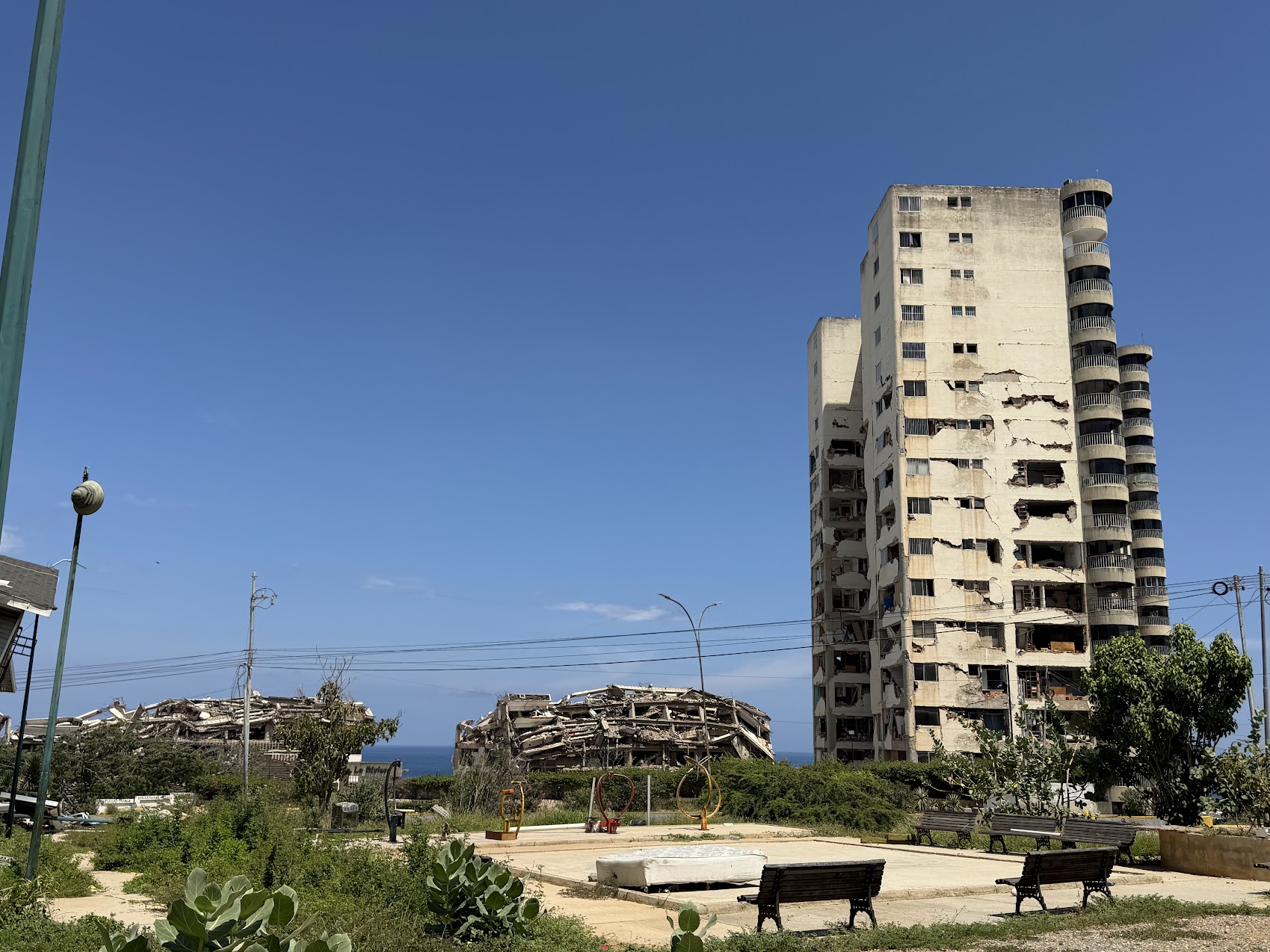
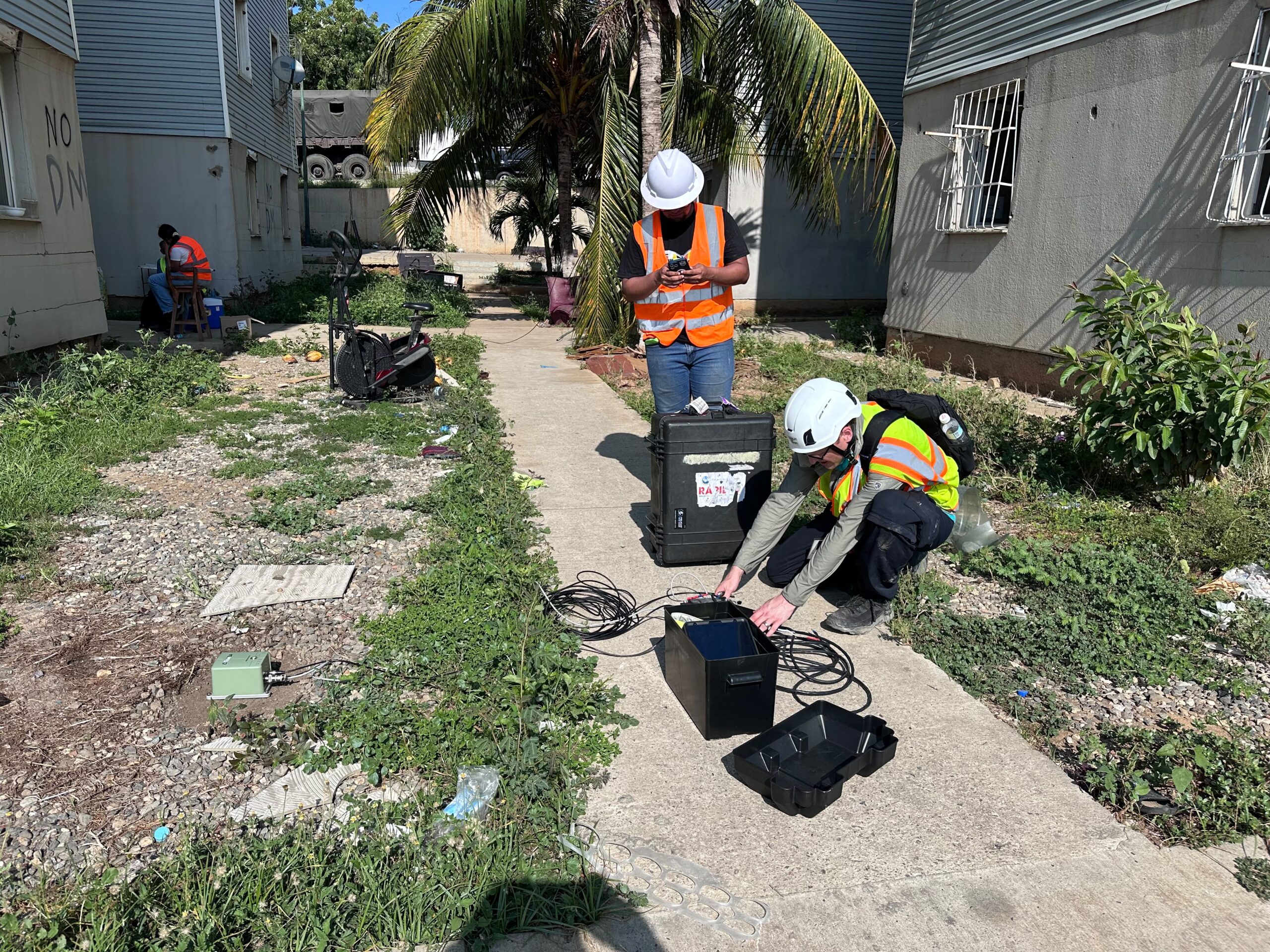
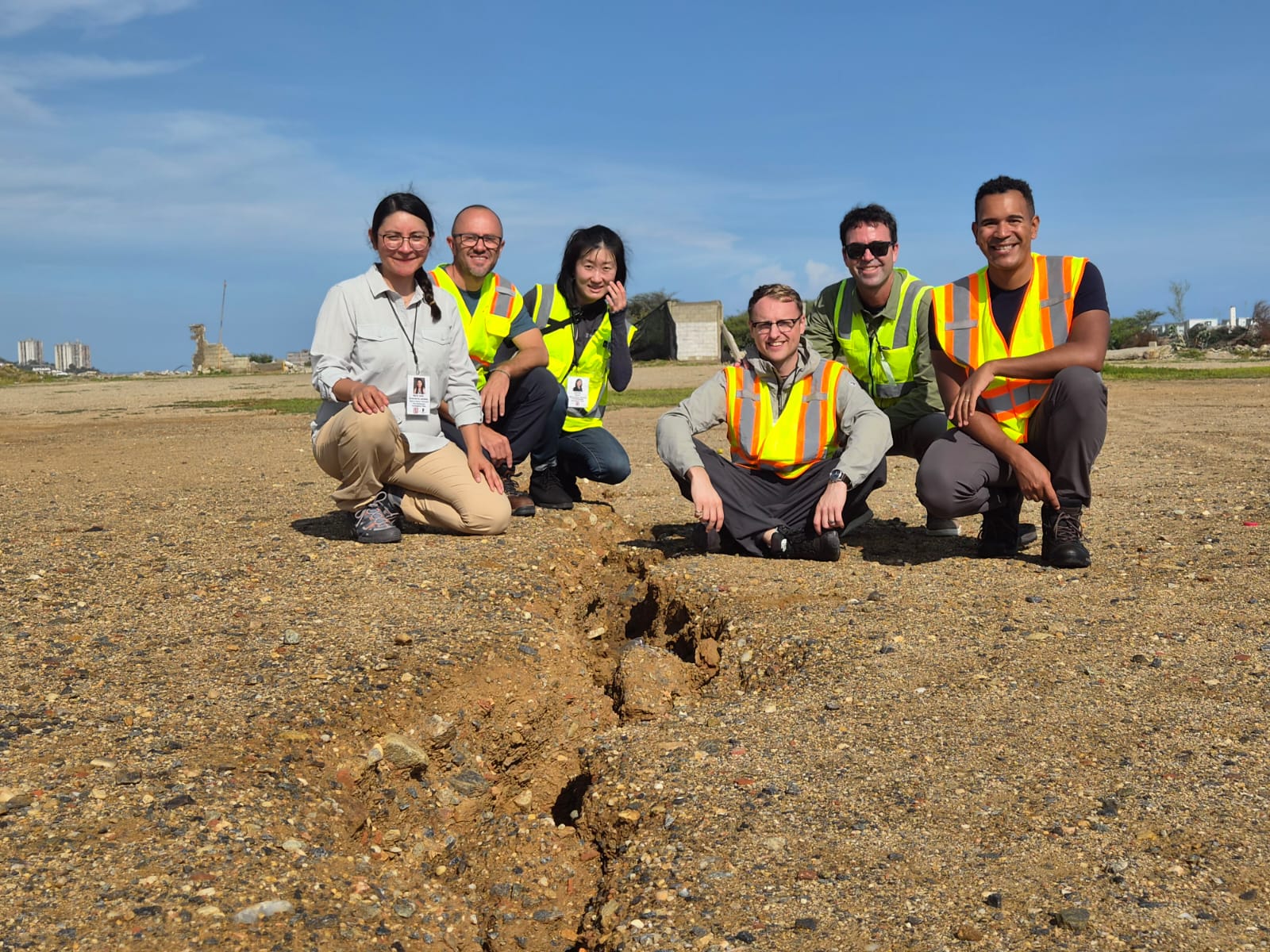
When two major earthquakes struck Northern Venezuela on June 24, 2026, less than a minute apart, the Earthquake Engineering Research Institute (EERI) sent a specialized reconnaissance team from its Learning From Earthquakes program to document damage, evaluate structural performance, and identify lessons for future earthquake-resistant design. Two of our structural engineers, Javier Diaz and Chris Cattron, joined an international field group of researchers, professors, and forensic experts to evaluate how local buildings performed under the intense seismic event.

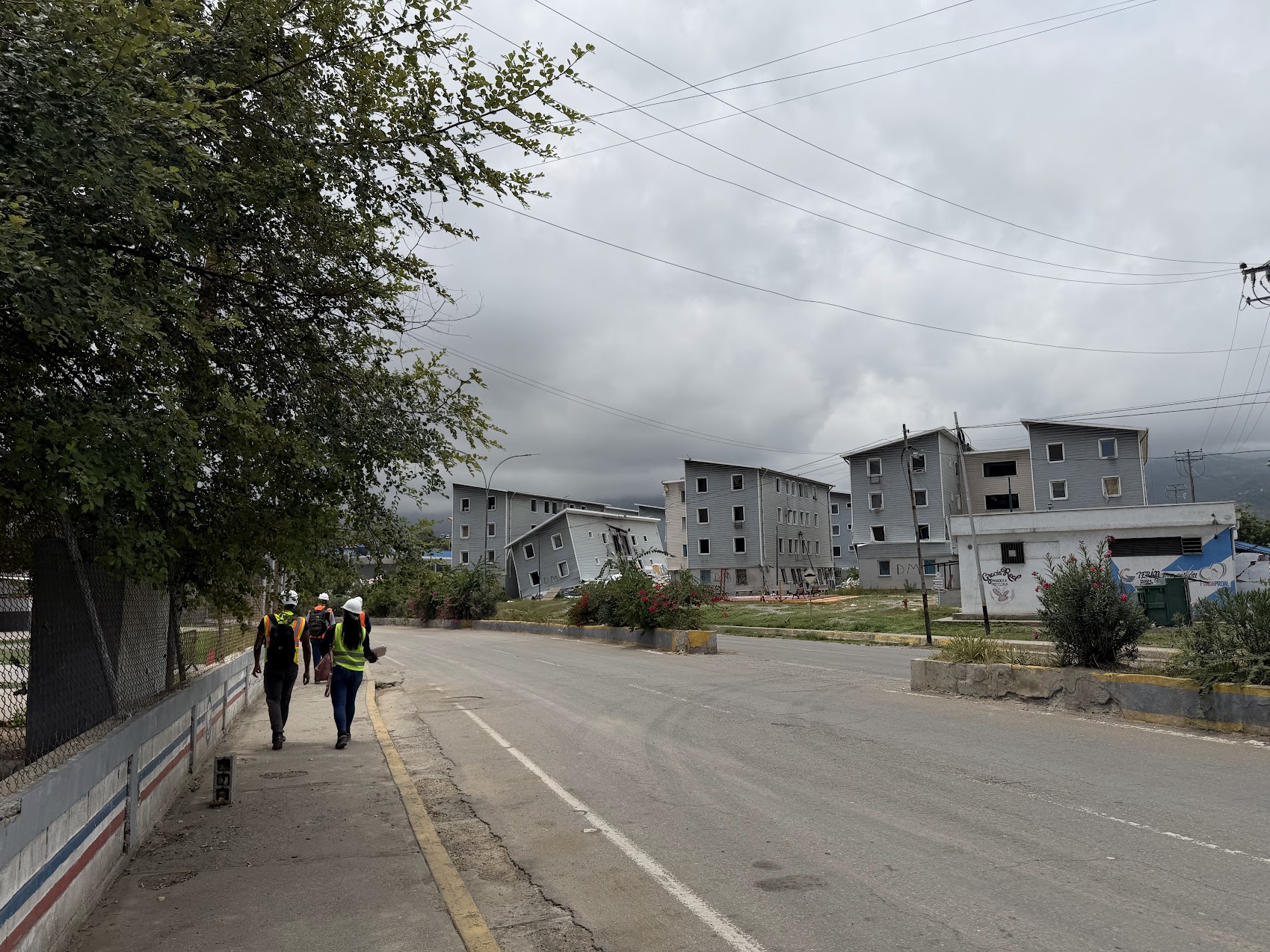
Javier, who was born and raised in Venezuela, wanted to bring his engineering background back home during a critical moment. For Chris, it was a chance to trade office work for field reconnaissance and study structural failures up close. For ten days, Javier and Chris walked through damaged neighborhoods along the coast in La Guaira State and parts of Caracas. Working side-by-side with local Venezuelan engineers, university students, and international teams, they pursued a multi-part mission: to evaluate why certain structures stood firm while others failed, to provide local building and code officials with actionable insights and recommendations based on their observations, and to bring critical field findings back to our team in Seattle, where aging inventory and regional seismic risks present remarkably similar challenges.
What the Ground Taught Us

1. Double the Impact in Seconds
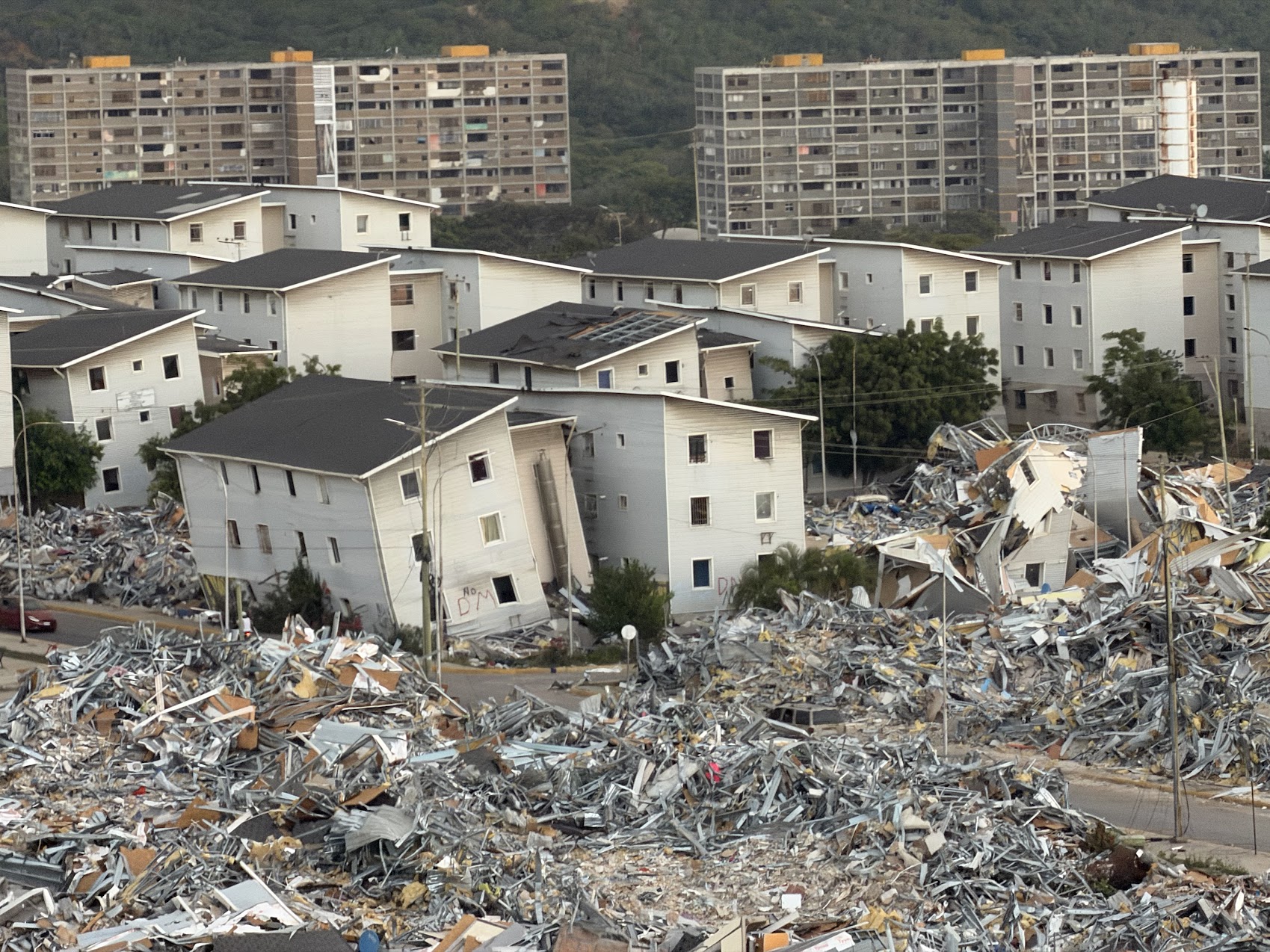
Surviving two back-to-back earthquakes (a magnitude 7.2 followed 39 seconds later by a magnitude 7.5) is a massive test for any building. The shaking was short, but it hit with incredible speed and force, amplified by soft coastal soils. Most standard building guidelines assume that a structure only has to withstand one major shock at a time. Seeing how buildings handled a double impact gave the team a rare, real-world look at what happens when a structure gets hit twice in rapid succession.

2. How Older Buildings Handled the Stress
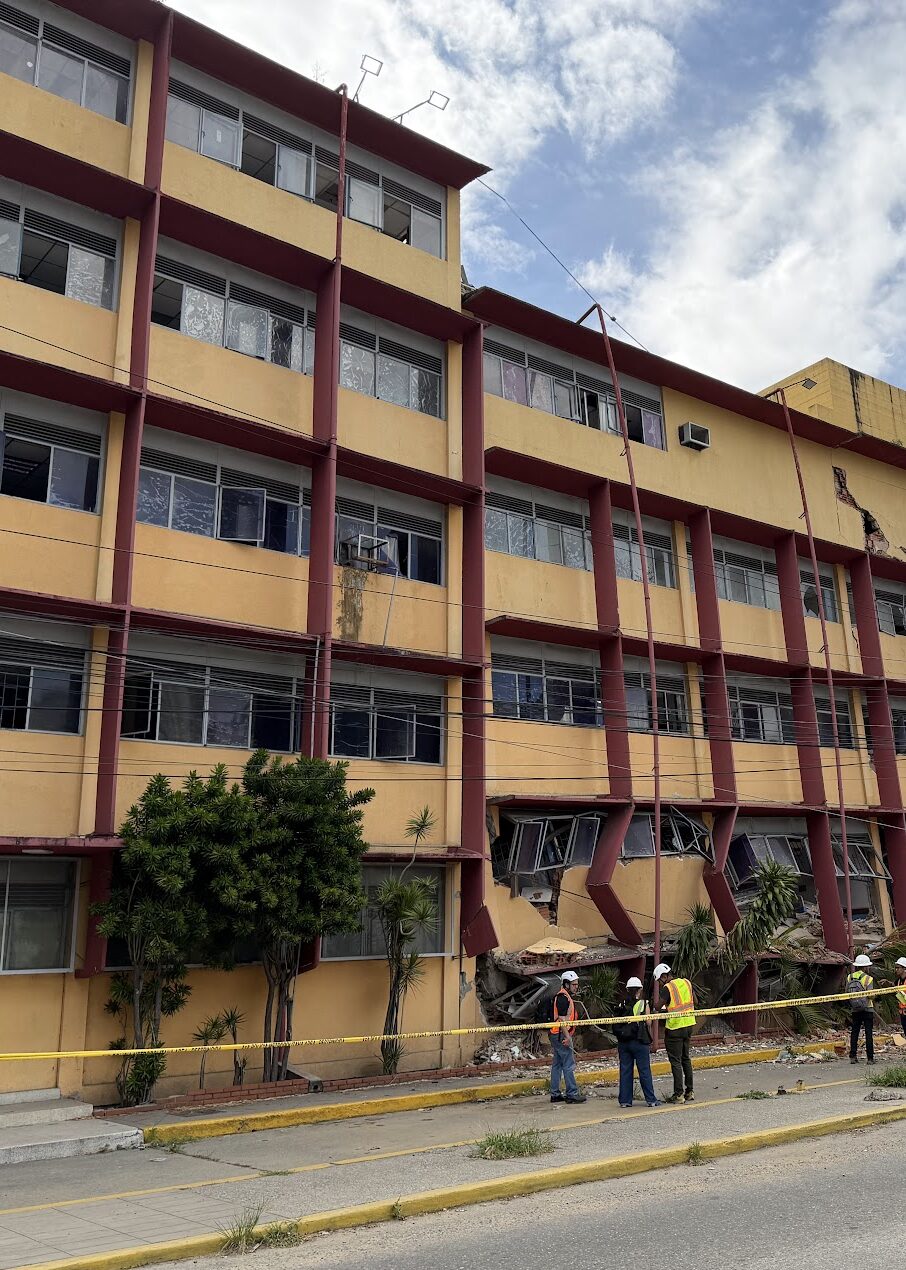
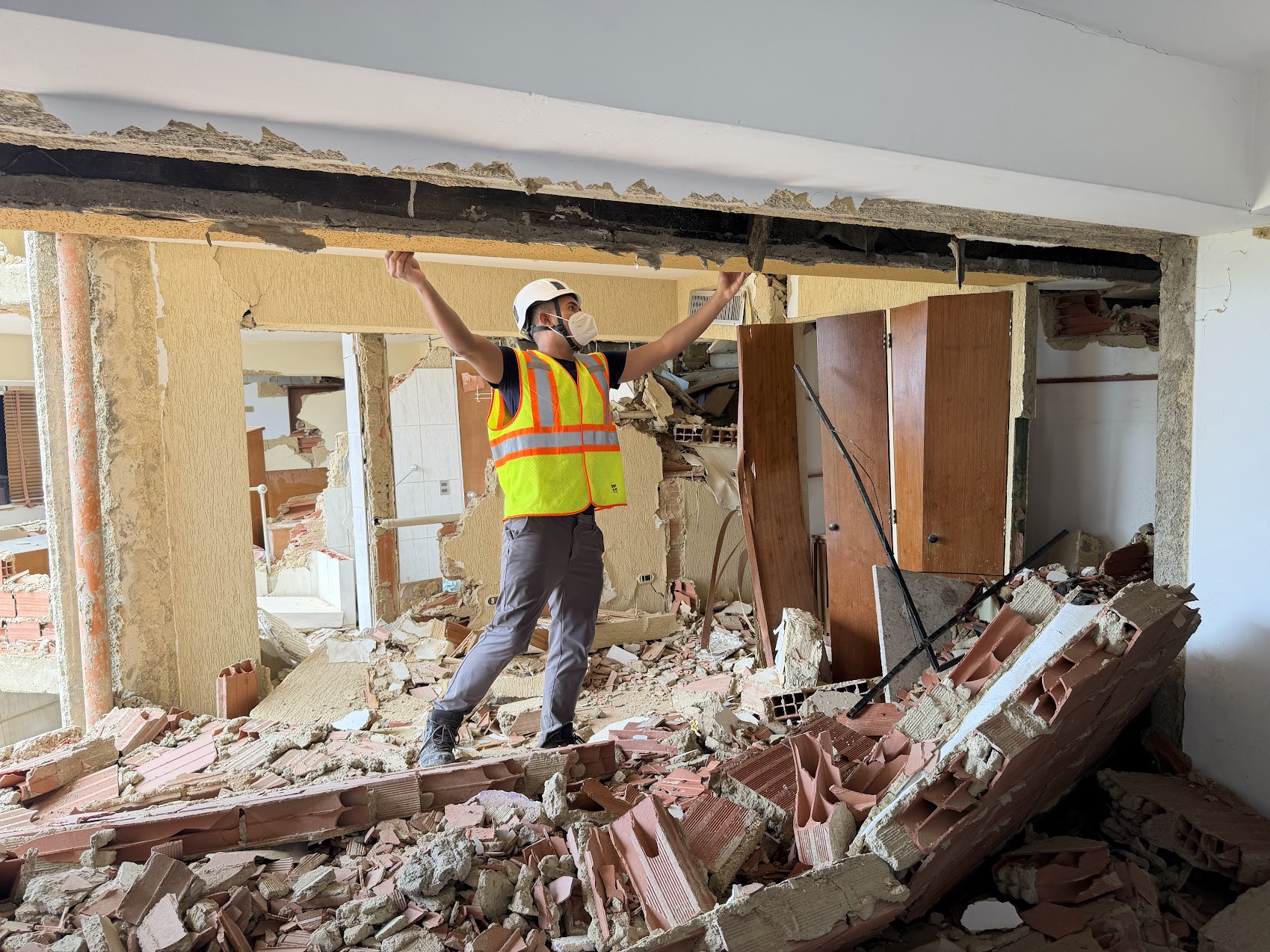
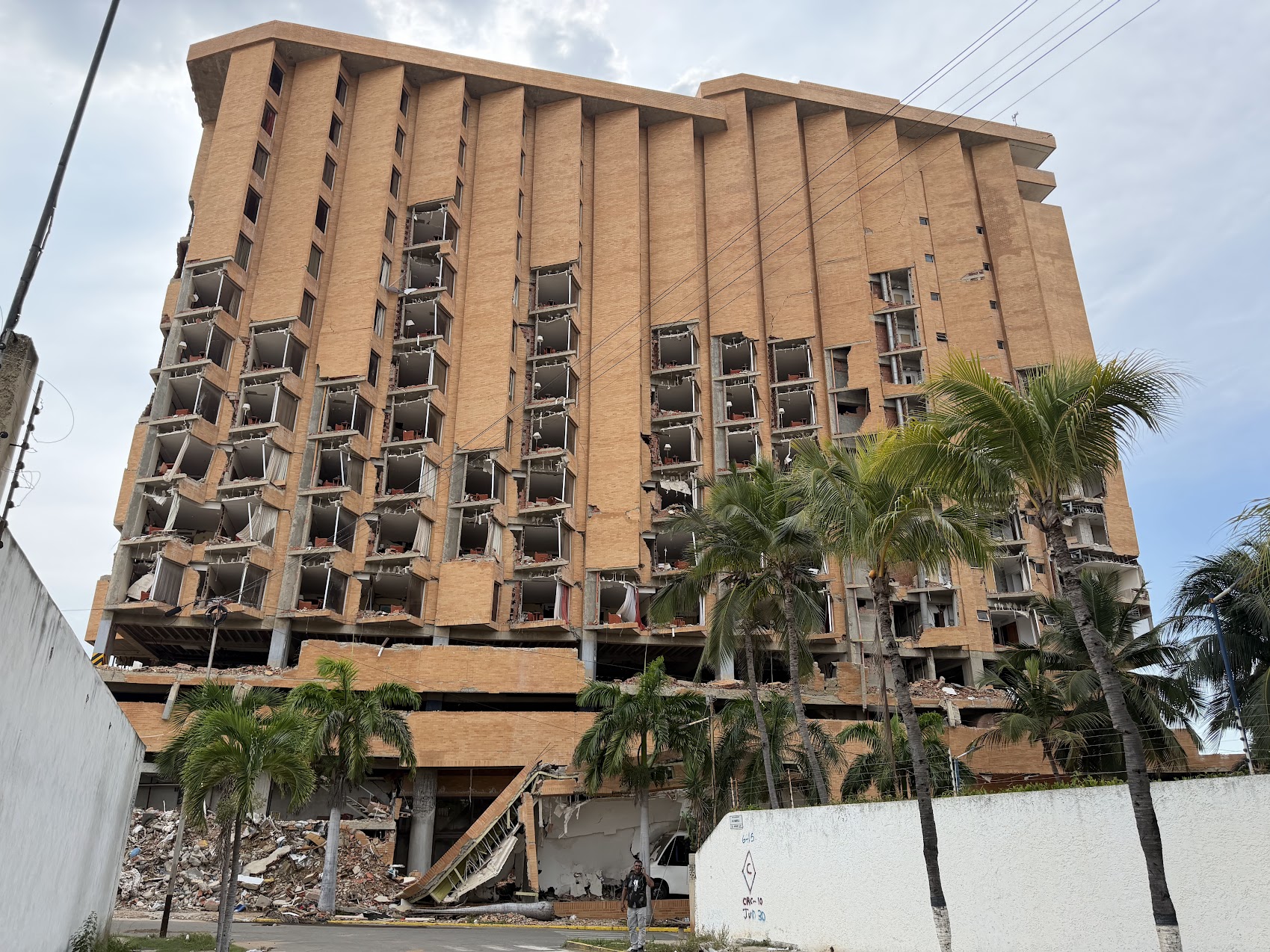
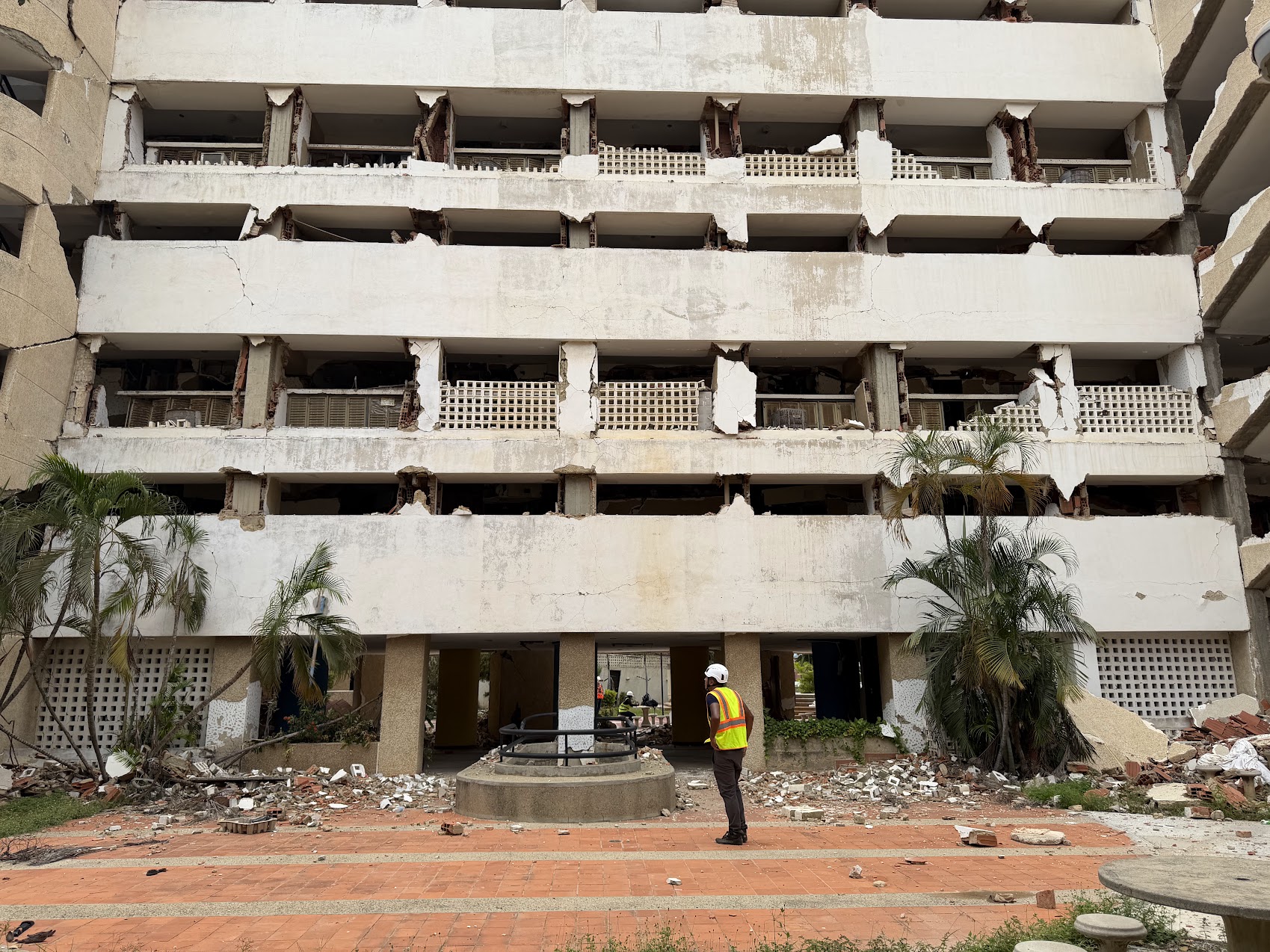
Most of the multi-story apartment buildings inspected were older concrete-frame structures with brick infill walls. From a basic weight-bearing standpoint, the original construction held up well, as the main beams and floors generally remained intact.

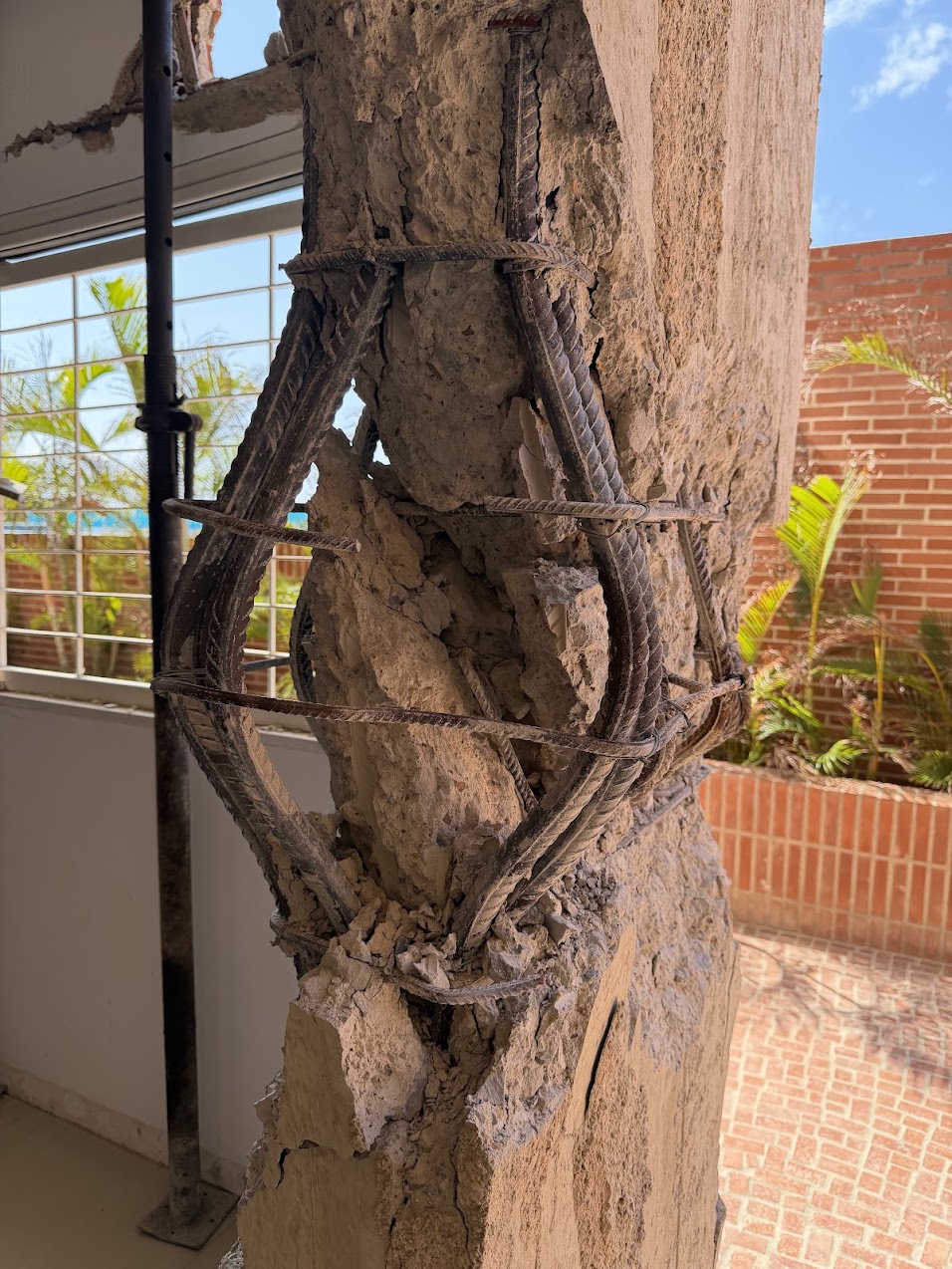
However, structures built before modern earthquake standards struggled under strong side-to-side forces. “Many of these buildings were constructed in the 1960s and ’70s, before modern seismic-resistant requirements existed. While steel reinforcement in concrete was well understood for supporting gravity loads, its role in resisting lateral seismic forces was not,” shared Javier.

Chris observed similar vulnerabilities across the sites, “We primarily observed weak-column/strong-beam behavior, poor joint confinement, and inadequate tie spacing; these deficiencies are common in buildings that weren’t designed for earthquakes.”

In neighborhoods that had experienced past earthquakes, the team compared different retrofitting strategies side-by-side. Buildings upgraded over the years with solid concrete shear walls performed remarkably well. On the opposite end, neighboring buildings where past repairs had simply thickened existing support columns fared much worse.

3. Learning Side-by-Side
Rather than working on their own, the team split into small, mixed groups with local Venezuelan engineers, professors, and college students, as well as other international experts. Having native Spanish speakers like Javier on the team made it easier to communicate with local officials and navigate restricted sites. That hands-on teamwork made it easy to share practical knowledge on the spot.

“Mixing up the teams was really valuable. It gave us the chance to learn directly from local engineers and international experts about their specific design approaches and construction methods,” Javier.

“Learning From Earthquakes” is not just “what can North America learn,” but also “what can individual participants learn from each other?” What can we learn about the event, and what can we bring back to share with our design offices?” Chris.

Bringing the Lessons Home

The insights Javier and Chris brought back from Venezuela directly shape how we evaluate buildings right here at home. Cities across the Pacific Northwest are full of older concrete and brick buildings put up long before modern seismic safety rules were written.

As Chris pointed out on his very first day back in the office, “Even here in Seattle, we have building frame systems from before we had seismic provisions. These lessons learned are not just for Venezuela or Latin America, but everywhere.”

Seeing how legacy buildings react under actual disaster conditions is a powerful reminder of why detailed seismic evaluations and retrofits matter so much. True community resilience is about looking past baseline checklists and designing structures that keep people safe during major seismic events.

As our team continues to tackle seismic evaluation, retrofit design, and resiliency upgrades across the region, real-world reconnaissance like this sharpens how we approach local retrofits and keep Puget Sound structures strong.

Want to dive deeper into the teams field findings?

Join Javier, Chris, and the rest of the reconnaissance team for an in-depth webinar breakdown of their Venezuelan deployment.

  • Date: Thursday, November 12, 2026

  • Time: 11:00 AM – 12:30 PM PST

  • Format: Live Presentation + Q&A

Register for the Webinar

Scroll to Top

The Connection